Why Taipei Is the Perfect Layover City
For many travelers, layovers are something to minimize. The goal is usually to find the shortest connection possible, get through the airport quickly, and move on. But every so often a city comes along that changes the equation entirely. Instead of something to avoid, the stopover becomes part of the trip.
For me, Taipei is exactly that kind of place.
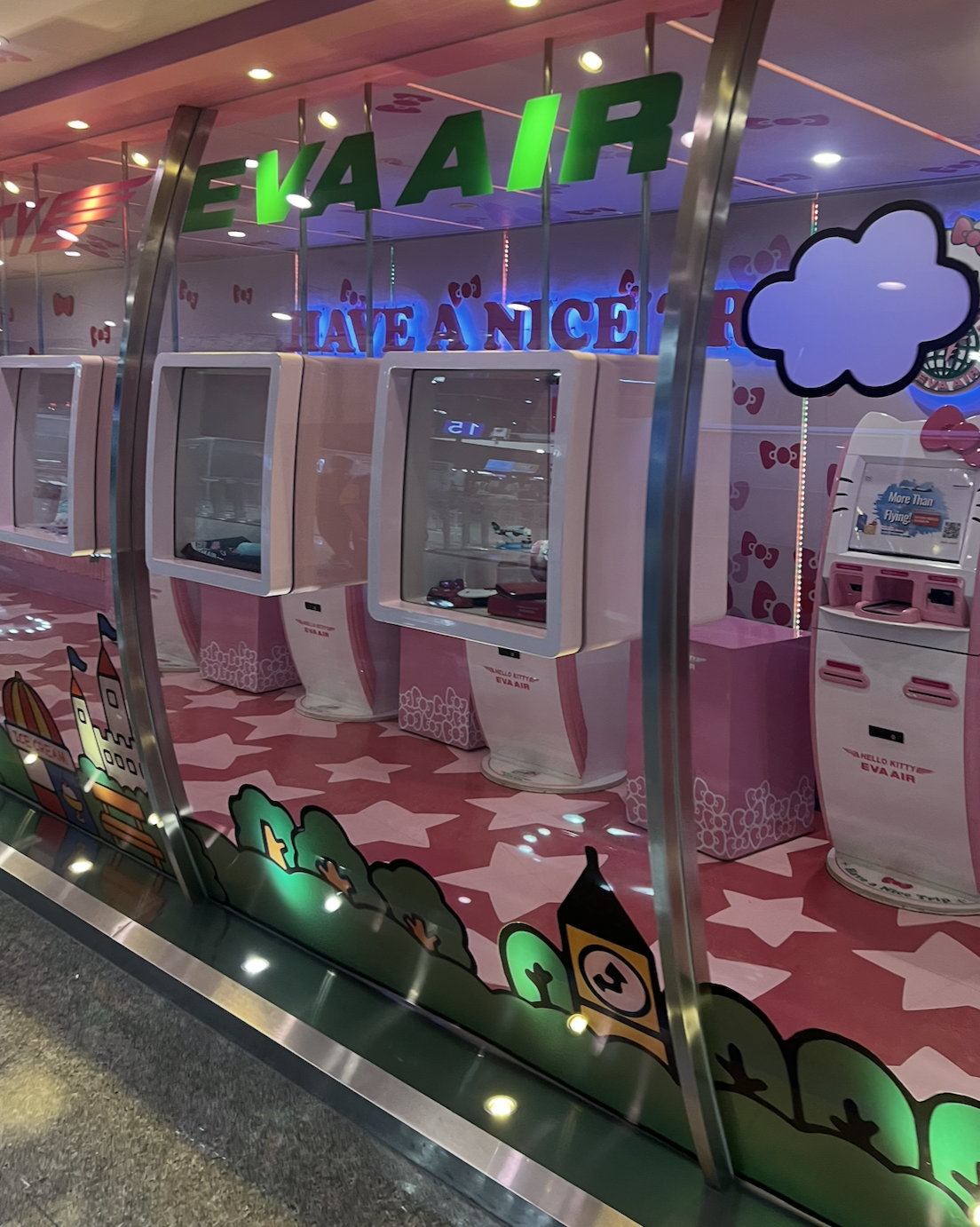
If you are flying between North America and Asia, there is a very good chance your routing could pass through Taiwan. EVA Air, one of the best long-haul airlines in the world, uses Taipei Taoyuan International Airport as its primary hub. Because of that, Taipei frequently appears in award itineraries and paid fares connecting cities like Los Angeles, San Francisco, Vancouver, Tokyo, Bangkok, Shanghai, and Singapore.
Most travelers simply connect and move on. In my view, that is a mistake.
Taipei is one of the easiest, most rewarding layover cities in the world, and if you have the chance to spend even 24 hours here, it is well worth doing.
One of the reasons Taipei works so well as a layover city is its geographic position.
Taiwan sits almost perfectly between Northeast Asia and Southeast Asia while also lying along many transpacific flight paths. For airlines like EVA Air, this makes Taipei an ideal hub for connecting long-haul flights from North America with destinations across Asia.
From Taipei you can easily connect to cities such as Tokyo, Seoul, Shanghai, Hong Kong, Bangkok, Singapore, and Ho Chi Minh City. Flight times to many of these destinations are only two to four hours, and because EVA operates a widebody-heavy fleet, even short regional flights often feature long-haul style business class cabins.
For travelers using points programs like Aeroplan, this creates a particularly appealing opportunity. Many itineraries between North America and Asia price the same whether you connect or fly nonstop, meaning you can sometimes add a stop in Taipei without increasing the number of points required.
Instead of treating the city as a transit point, you can turn it into a destination.
Getting Into the City Is Remarkably Easy
Another reason Taipei excels as a layover city is how easy it is to reach the center of town.
Taipei Taoyuan International Airport sits about 40 kilometers from downtown Taipei, but the journey into the city is simple thanks to the Airport MRT line. The train runs directly from the airport to Taipei Main Station in roughly 35 minutes and costs only a few dollars. The system is clean, efficient, and easy to navigate even if you do not speak Chinese.
Taxis are also affordable and widely available, and rides into central Taipei typically take around 40 to 50 minutes depending on traffic.
Compared to many major Asian hubs where the airport can feel remote or disconnected from the city, Taipei’s accessibility makes even a short layover very manageable.
A Food Scene That Rewards Curiosity

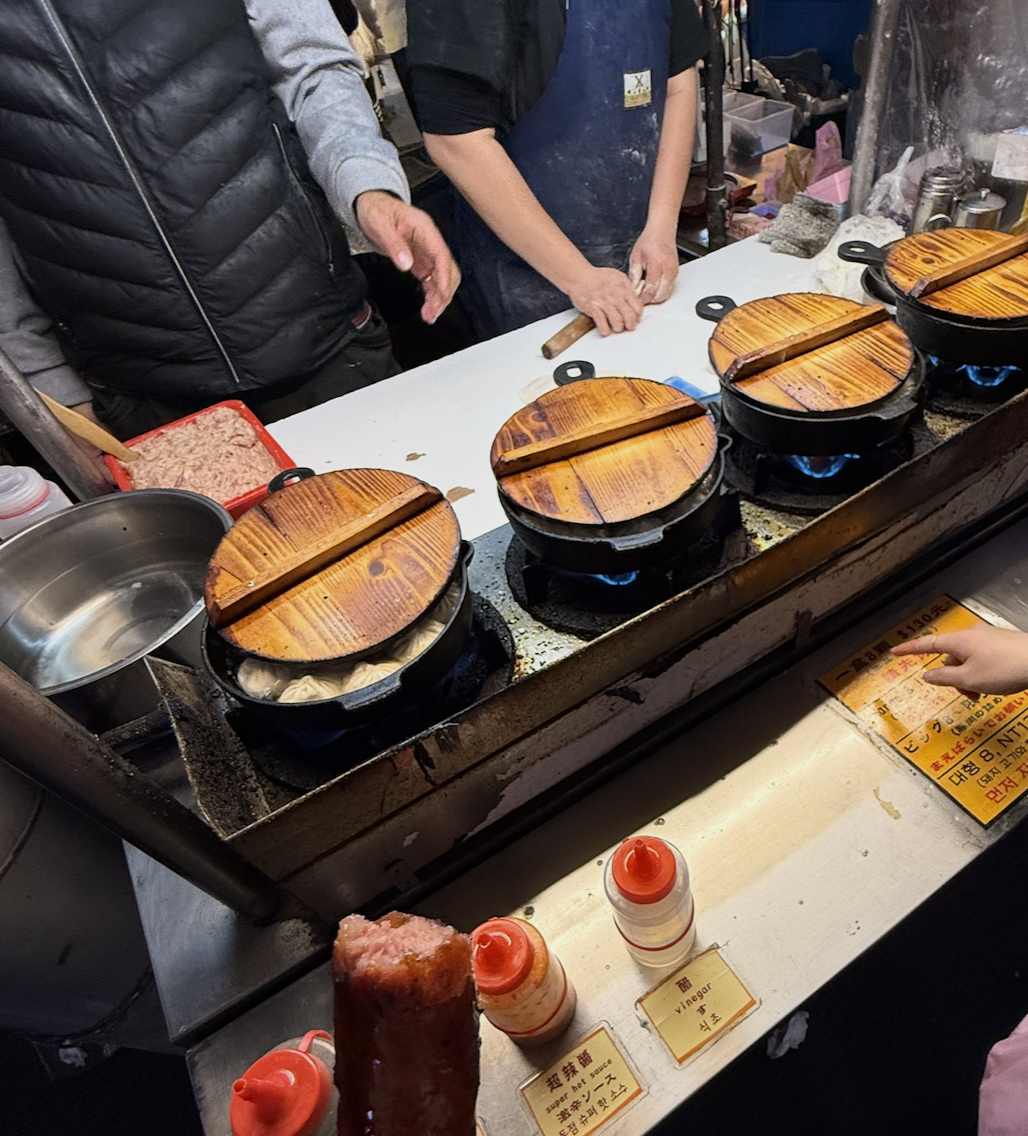
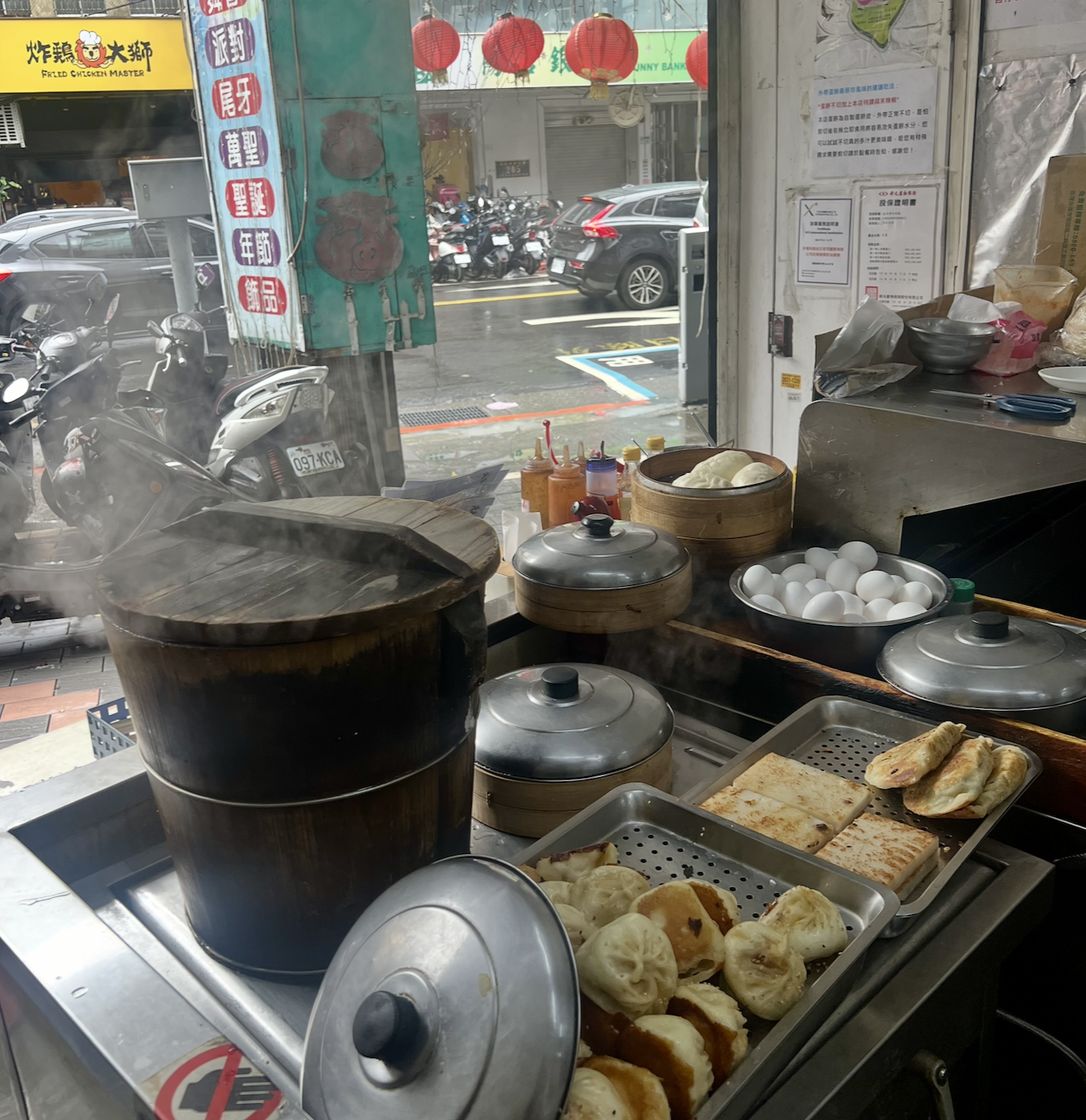
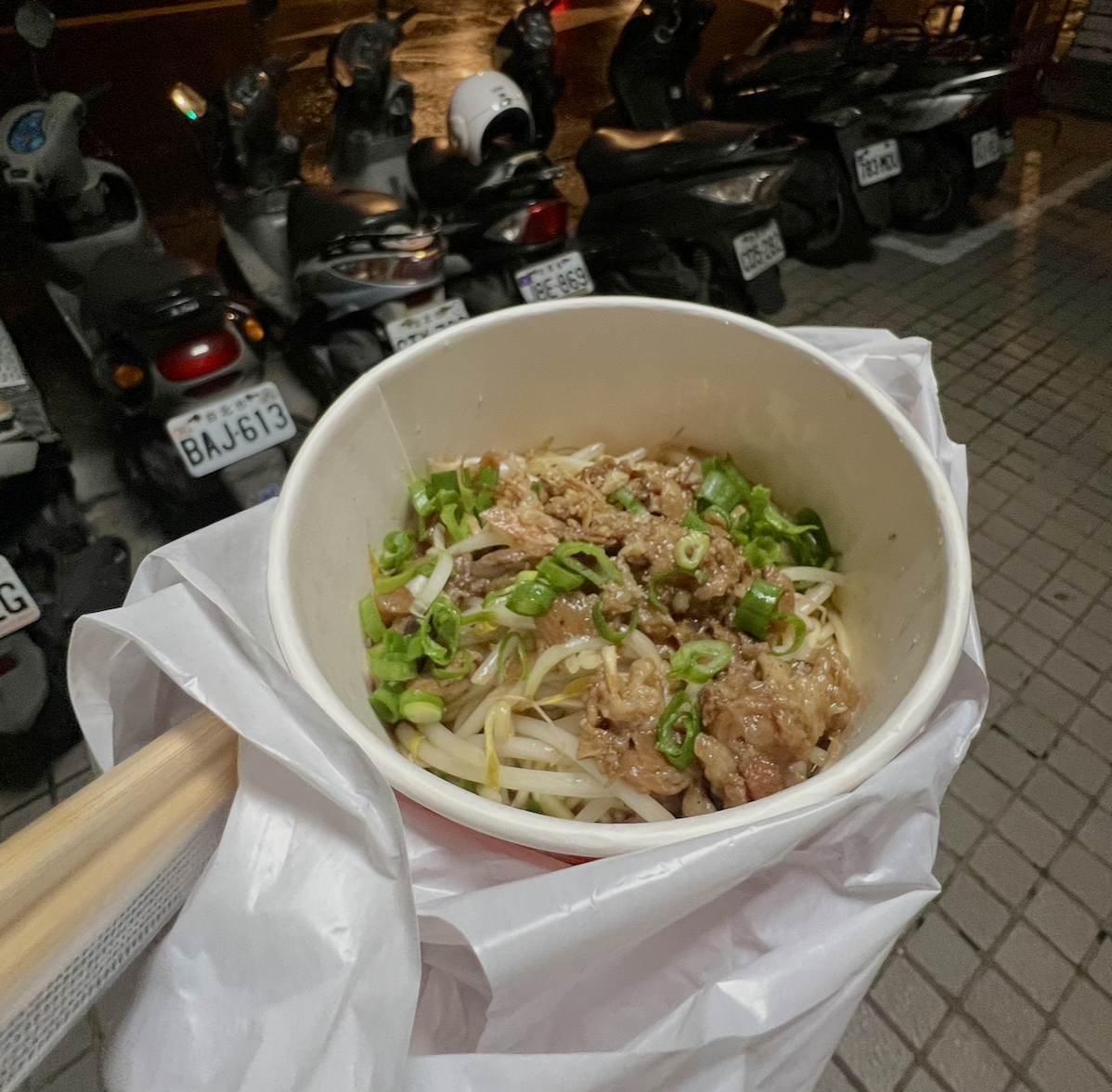
One of the first things you notice after arriving in Taipei is the food.
Taiwan’s culinary culture blends influences from across China with Japanese, Southeast Asian, and indigenous traditions. The result is one of the most vibrant street food scenes in the world.
Night markets are the obvious starting point. These sprawling evening food bazaars appear across the city and are packed with stalls serving everything from oyster omelets and grilled squid to fried chicken, scallion pancakes, and the famous Taiwanese soup dumplings. Walking through a night market is chaotic, loud, and endlessly entertaining, and it is easily one of the best ways to experience the city.
At the other end of the spectrum, Taipei also has a growing collection of refined restaurants and cafes. The coffee scene in particular has quietly become excellent, with design-driven specialty coffee shops scattered throughout central neighborhoods. It is the kind of city where you can start the day with meticulously brewed single-origin coffee and end it wandering through a neon-lit night market sampling street food.
A City That Is Easy to Explore
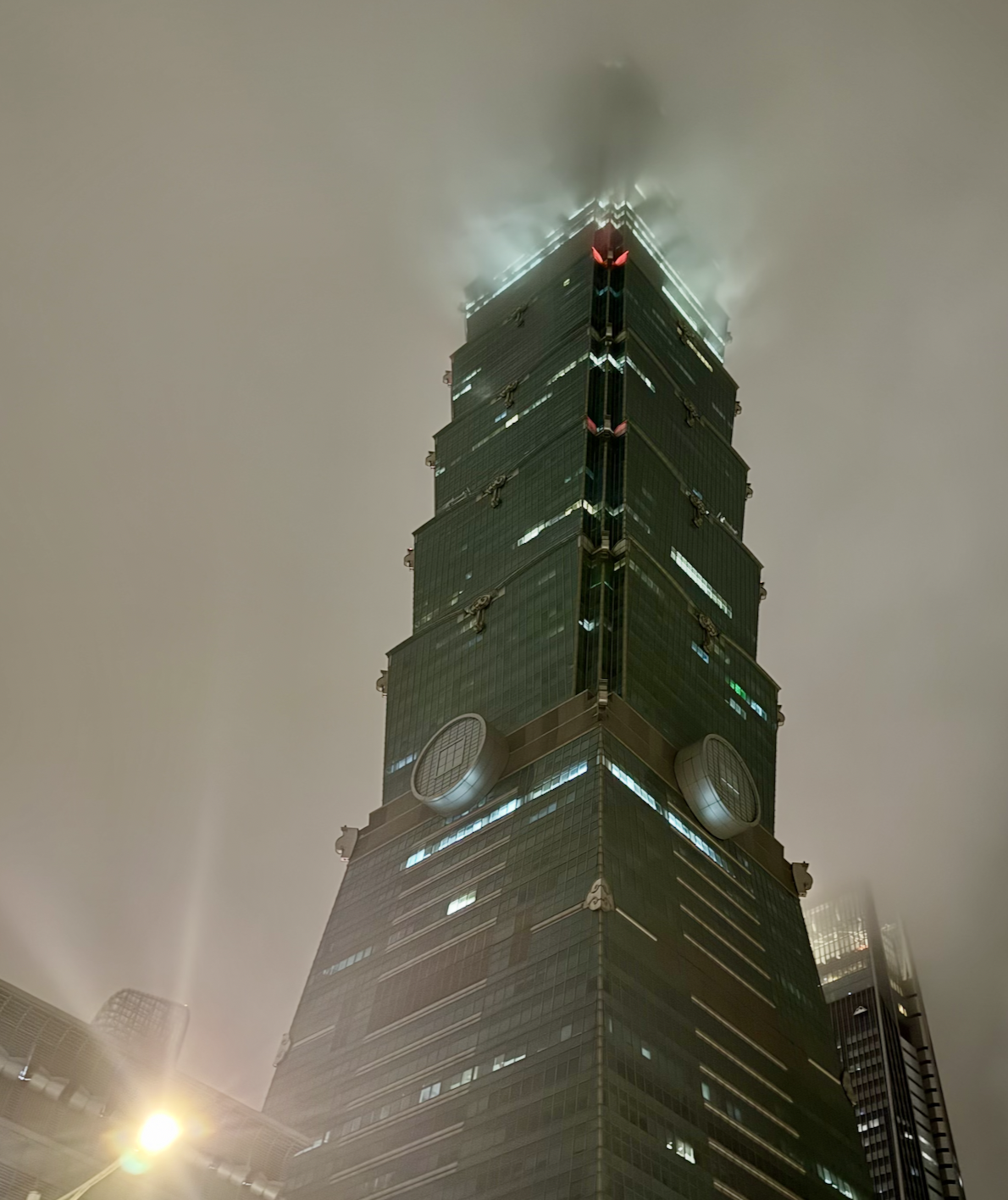
Taipei has another advantage that many layover cities lack: it is extremely easy to navigate.
The MRT subway system is clean, intuitive, and very well maintained. Stations are clearly labeled in both Chinese and English, trains run frequently, and most major neighborhoods are well connected. Even if you only have a single day, it is possible to see a surprising amount of the city.
The skyline itself is anchored by Taipei 101, which was once the tallest building in the world and remains one of the city’s defining landmarks. The surrounding Xinyi District has become Taipei’s modern commercial center, filled with shopping malls, restaurants, and rooftop bars.
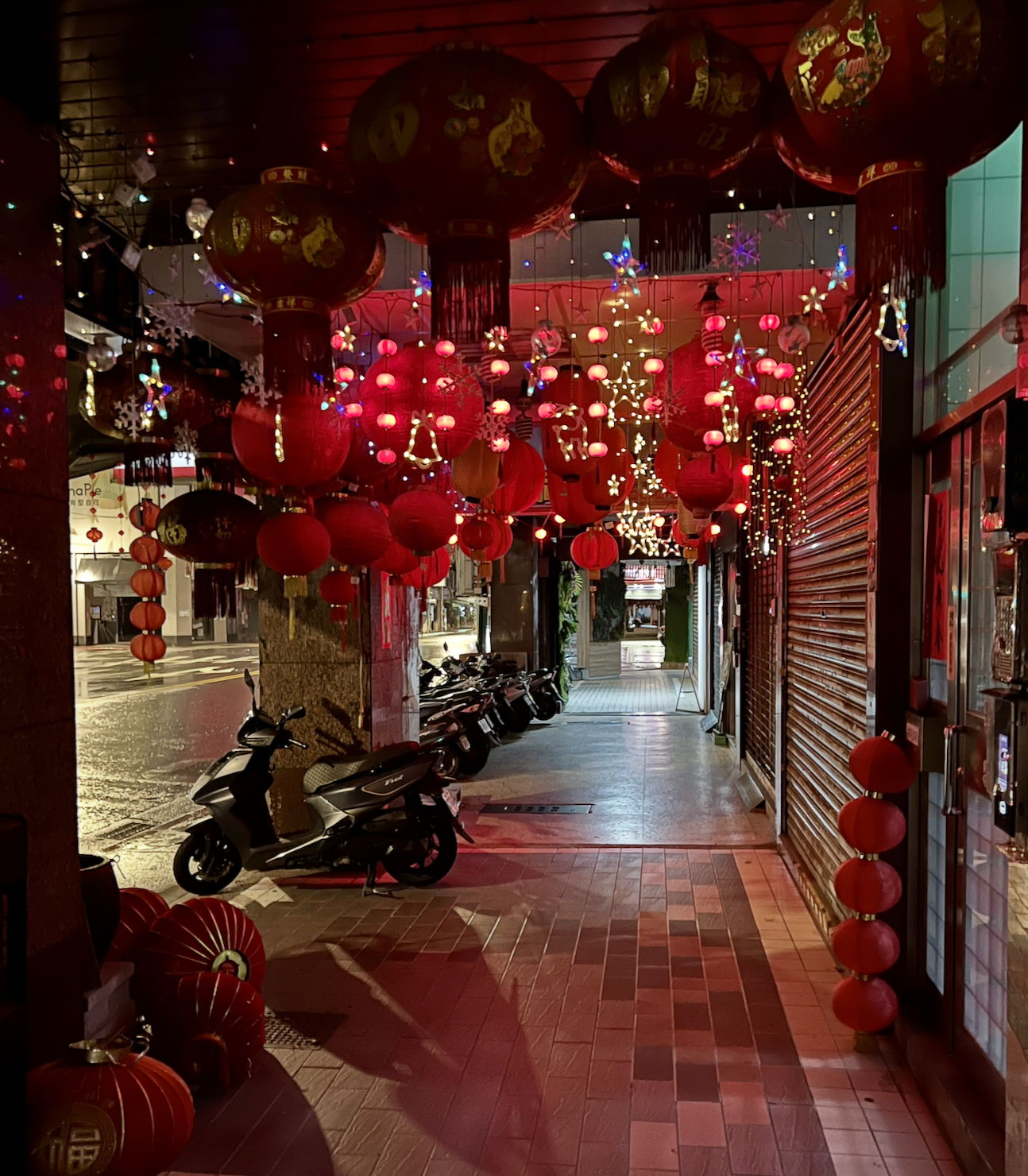
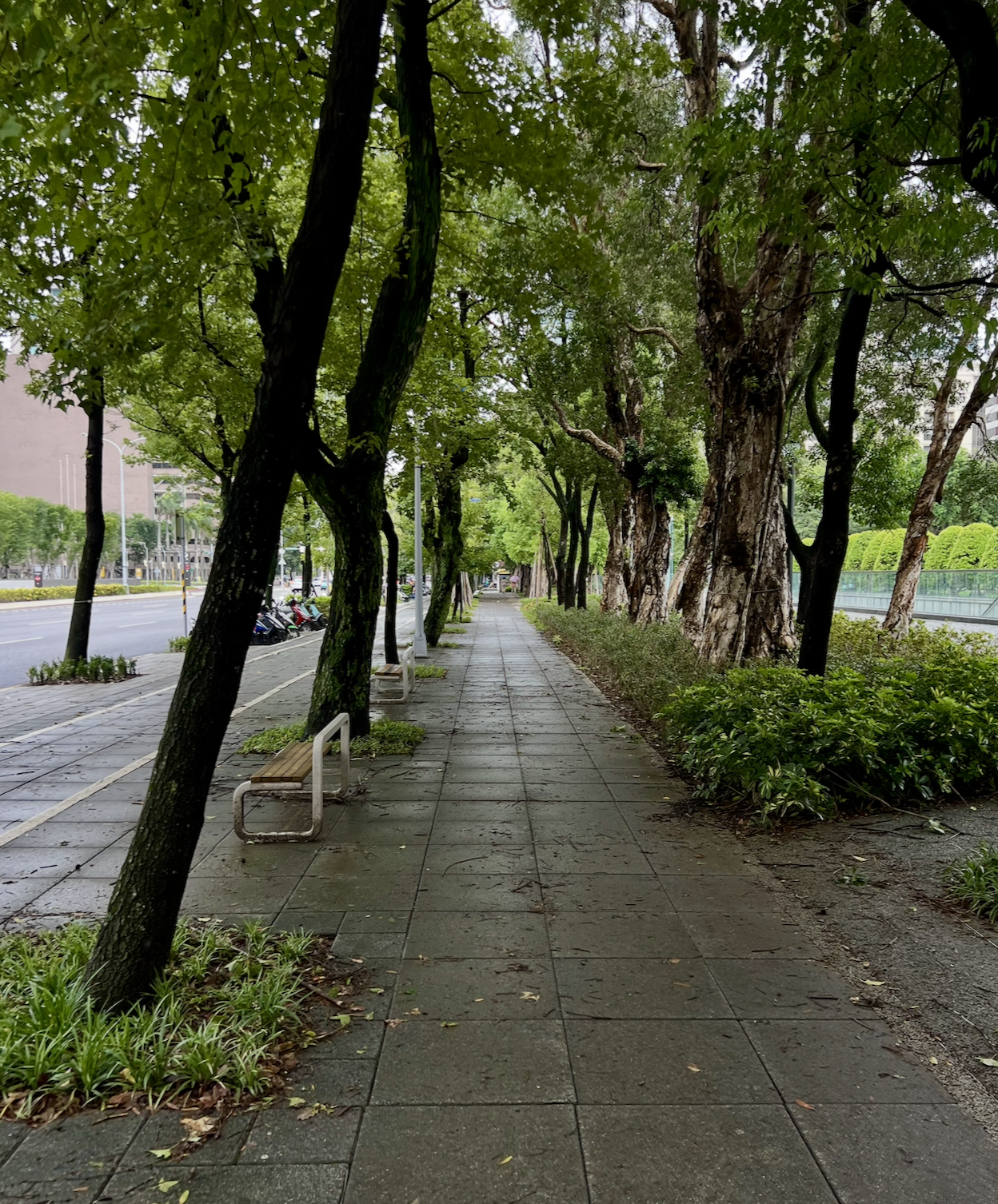
Elsewhere in the city, historic temples, quiet residential streets, and leafy parks provide a completely different atmosphere. Taipei is dense but never overwhelming, and it strikes a rare balance between energy and livability.
Taipei’s Second Airport: Songshan
One of the most interesting quirks of Taipei’s aviation geography is the presence of a second airport: Taipei Songshan Airport.
While Taoyuan handles the majority of international long-haul flights, Songshan sits just minutes from downtown Taipei and operates a mix of regional and domestic routes. Flights to cities like Tokyo Haneda, Shanghai Hongqiao, and Seoul Gimpo depart from here.
The experience is very different from Taoyuan. Songshan feels small, calm, and almost shockingly convenient compared to most international airports. From downtown Taipei you can reach the terminal in about fifteen minutes by taxi or metro.
For travelers connecting within Asia, it is not uncommon to arrive in Taiwan via Taoyuan and depart from Songshan. The ability to fly between downtown airports rather than distant mega-hubs is a rare and genuinely pleasant feature of Taipei travel.
Why Taipei Beats Many Other Layover Cities
Many major hub cities technically allow stopovers, but they are not always particularly convenient.
Some airports sit far from their city centers, making short layovers impractical. Others require complicated visa procedures or long immigration queues. In some cases the city itself simply does not lend itself well to quick visits.
Taipei avoids most of these issues. Immigration is generally efficient, transportation into the city is straightforward, and the overall atmosphere is welcoming and easygoing. English signage is common, public transit works well, and the city is extremely safe.
Perhaps most importantly, Taipei rewards even brief visits. You can arrive in the afternoon, explore the city, eat exceptionally well, sleep, and still have time for coffee and a short walk the next morning before returning to the airport.
A Layover Worth Planning
For travelers who enjoy optimizing flight routes, Taipei offers an unusual opportunity. Instead of minimizing your connection time, you can intentionally design your itinerary around a stop here.
A routing such as Los Angeles to Taipei to Tokyo or Los Angeles to Taipei to Bangkok becomes more than just a flight connection. It becomes a chance to experience one of Asia’s most interesting cities, even if only for a day or two.
In an era where so many journeys feel rushed and transactional, Taipei stands out as a place that rewards slowing down, even briefly.
If your itinerary passes through Taiwan, consider extending the layover. There are few cities where doing so feels as effortless, or as worthwhile.
